



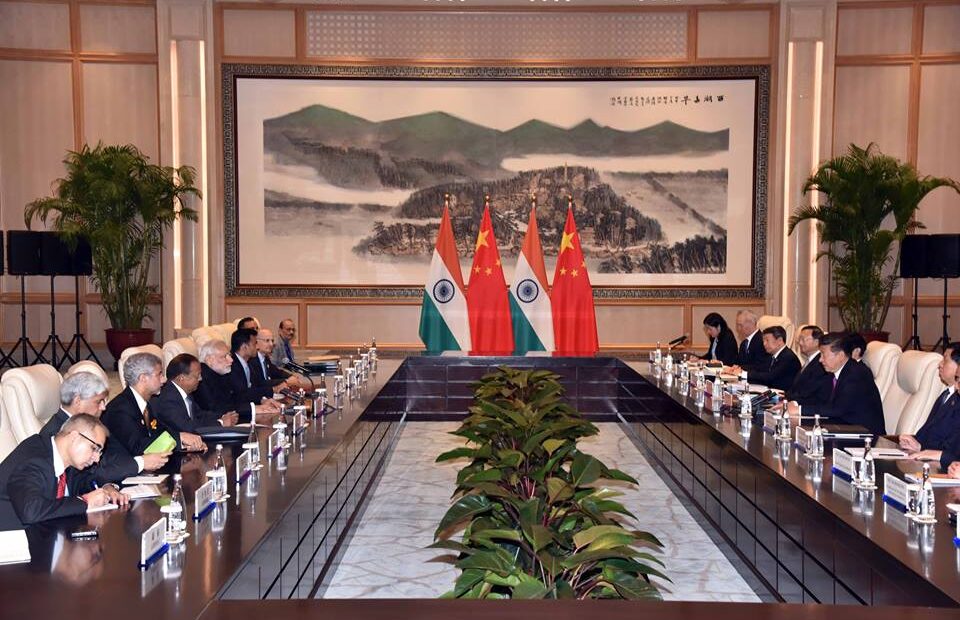
India China ties: Best route to offset airspace closures
 by James Smith · September 29, 2026
India China ties are witnessing improvement, prompting discussions about an alternative route over Xinjiang’s Hotan that could alleviate the impact of closed airspace in Pakistan and Iran.
Overview of India China Relations
The relationship between India and China has historically been complex, marked by periods of tension and cooperation. Recent developments indicate a potential thaw in India-China ties, as both nations seek to enhance their economic and diplomatic engagement. The strategic importance of their relationship has grown, particularly in light of regional challenges.
In recent discussions, it has been noted that an alternative flight route over Xinjiang’s Hotan could provide a viable solution to mitigate the impacts of airspace closures in Pakistan and Iran. This route not only promises to streamline air travel but also reflects the ongoing dialogue between the two nations, emphasizing the importance of collaboration in addressing mutual concerns.
As India and China continue to navigate their intricate relationship, the focus remains on fostering stability and cooperation. Key areas of interest include trade, infrastructure development, and regional security. Strengthening India-China ties will ultimately benefit not only both nations but also contribute to a more stable and prosperous Asia.
Impact of Airspace Closures
The recent airspace closures in Pakistan and Iran have prompted a reevaluation of air travel routes in the region, significantly impacting logistics and trade. As India China ties show signs of improvement, new alternatives are being explored to mitigate these challenges.
One potential solution involves utilizing an aerial route over Xinjiang’s Hotan. This route could serve as a strategic bypass, alleviating the logistical pressures resulting from the current airspace restrictions faced by Indian and international airlines.
Several key benefits of this alternative route include:
- Increased efficiency: Shorter flight paths may reduce travel time and fuel costs.
- Enhanced cooperation: Strengthened ties between India and China could foster collaboration in air travel and trade.
- Economic growth: Improved air connectivity can facilitate trade, benefiting both nations economically.
As the geopolitical landscape evolves, the focus on enhancing India China ties will be crucial in ensuring a resilient air travel network that adapts to changing circumstances.
Alternative Routes Explained
As the dynamics of India China ties evolve, exploring alternative routes for air travel has become crucial. One proposed route over Xinjiang’s Hotan presents a viable option to mitigate the disruptions caused by airspace closures in Pakistan and Iran.
Traveling over this region offers several benefits:
- Increased Efficiency: Bypassing congested airspace reduces flight times, allowing airlines to optimize their schedules.
- Safety and Security: Utilizing air routes that avoid politically sensitive areas can enhance passenger safety and operational reliability.
- Economic Growth: Improved connectivity between India and China can boost trade and tourism, fostering stronger bilateral relations.
However, using this route requires careful navigation of air traffic regulations and cooperation between nations. As both countries work towards strengthening their relationship, the potential for collaborative airspace management could pave the way for smoother operations.
In conclusion, the proposed air route over Xinjiang’s Hotan not only serves to offset the impacts of existing airspace closures but also symbolizes a step forward in enhancing India China ties.
The Significance of Xinjiang’s Hotan
The region of Xinjiang, particularly Hotan, has emerged as a pivotal area in the context of improving India China ties. This strategic location offers a potential air route that could alleviate the disruptions caused by the recent airspace closures over Pakistan and Iran.
Hotan’s geographical advantages provide a direct pathway for flights, enhancing connectivity between India and China. The development of this route not only promises to facilitate trade but also strengthens diplomatic relations between the two nations.
Key aspects of the significance of Hotan include:
- Geopolitical Position: Hotan is located near critical transport links, making it an essential hub for air traffic.
- Economic Opportunities: Increased air traffic can spur economic growth in Xinjiang, benefiting both Indian and Chinese stakeholders.
- Cultural Exchange: Enhanced connectivity may lead to greater people-to-people interactions, fostering a better understanding between the two countries.
As both nations seek to navigate their complex relationship, Hotan stands out as a promising option to mitigate challenges posed by airspace restrictions.
Economic Implications of New Routes
The recent improvements in India-China ties present a significant opportunity to explore new economic avenues, particularly in the context of airspace closures. As the aviation landscape shifts, the focus has turned to alternative routes, such as those over Xinjiang’s Hotan, which could alleviate some of the challenges posed by the closure of Pakistani and Iranian airspace.
Establishing a direct route over Xinjiang not only enhances connectivity between India and China but also promises to boost trade and commerce between the two nations. This new route could facilitate:
- Increased Cargo Traffic: Smoother transport for goods, reducing transit times.
- Cost Efficiency: Lower operational costs for airlines and logistics companies.
- Enhanced Bilateral Trade: Strengthening economic ties through increased trade volume and frequency.
Furthermore, as India-China ties continue to strengthen, the potential for collaborative ventures in the aviation sector may arise, benefiting not only the two countries but also the broader region. The economic implications of these new routes are profound, paving the way for a more integrated and prosperous future.
Future of India China Cooperation
The future of India China ties hinges significantly on the ability of both nations to navigate challenges and seize opportunities for cooperation. As airspace closures impact trade routes, the exploration of alternative paths becomes crucial. A potential route over Xinjiang’s Hotan not only offers a strategic advantage but also symbolizes the growing willingness of India and China to collaborate despite historical tensions.
Both countries stand to benefit from enhanced connectivity, which can lead to economic growth and stability in the region. The exploration of new air routes could facilitate smoother supply chains, contributing to a more resilient trade relationship. Moreover, fostering communication and collaboration in sectors such as technology and infrastructure could further strengthen ties.
However, trust-building measures will be essential for sustainable progress. Initiatives aimed at addressing mutual concerns and fostering dialogue can pave the way for deeper cooperation. As India China ties evolve, focusing on collaborative strategies will be paramount to overcoming geopolitical hurdles and ensuring a prosperous future for both nations.
- Enhanced trade routes
- Collaboration in technology
- Trust-building initiatives
Geopolitical Landscape in Asia
The geopolitical landscape in Asia is evolving, with India and China navigating a complex relationship that is influenced by regional dynamics and global power shifts. As India-China ties improve, both nations are increasingly looking for ways to enhance their connectivity while managing tensions. The closure of airspace in neighboring countries has prompted leaders to explore alternative routes that not only facilitate trade but also promote stability in the region.
Key factors influencing this landscape include:
- Strategic Partnerships: Both countries are investing in partnerships with other nations to bolster their influence and safeguard their interests.
- Regional Security: The need for a cohesive approach to security challenges in Asia has become paramount as threats evolve.
- Economic Growth: Continued economic collaboration is essential for both nations to thrive amidst global competition.
Moreover, the successful implementation of new air routes could serve as a catalyst for further diplomatic engagement between India and China, showcasing the potential for cooperation despite historical differences. In this context, strengthening India-China ties may prove crucial in offsetting not just airspace closures, but broader regional tensions as well.
Conclusion and Next Steps
In conclusion, the evolving India China ties present a unique opportunity to address the challenges posed by recent airspace closures. By leveraging the potential of alternative routes, particularly over Xinjiang’s Hotan, stakeholders can mitigate the disruptions caused by restrictions in Pakistani and Iranian airspace.
The viability of these new routes not only enhances air connectivity but also strengthens economic partnerships between India and China. As both nations seek to bolster their trade relations, cooperation in aviation logistics can serve as a catalyst for broader diplomatic engagement.
Moving forward, it is essential for both governments to engage in open dialogues regarding airspace management and route optimization. Key steps may include:
- Establishing bilateral agreements to facilitate smoother air traffic.
- Conducting joint assessments to ensure safety and efficiency along new routes.
- Promoting investment in infrastructure to support increased air travel.
Ultimately, the successful navigation of these challenges could pave the way for a more collaborative future in the region.
Strengthening India China ties could pave the way for alternative air routes that enhance connectivity and trade. By exploring collaborative measures, both nations can mitigate the impacts of airspace closures through improved India China ties.
By Prime Minister’s Office, Government of India via Openverse
Read the original
Related reading

Written byJames Smith
James Smith is a writer and editorial contributor at dubaichatgpt.com, covering news and features across the site. James focuses on clear, reader-friendly reporting.


1 Response
[…] India China ties: Best route to offset airspace closures […]