

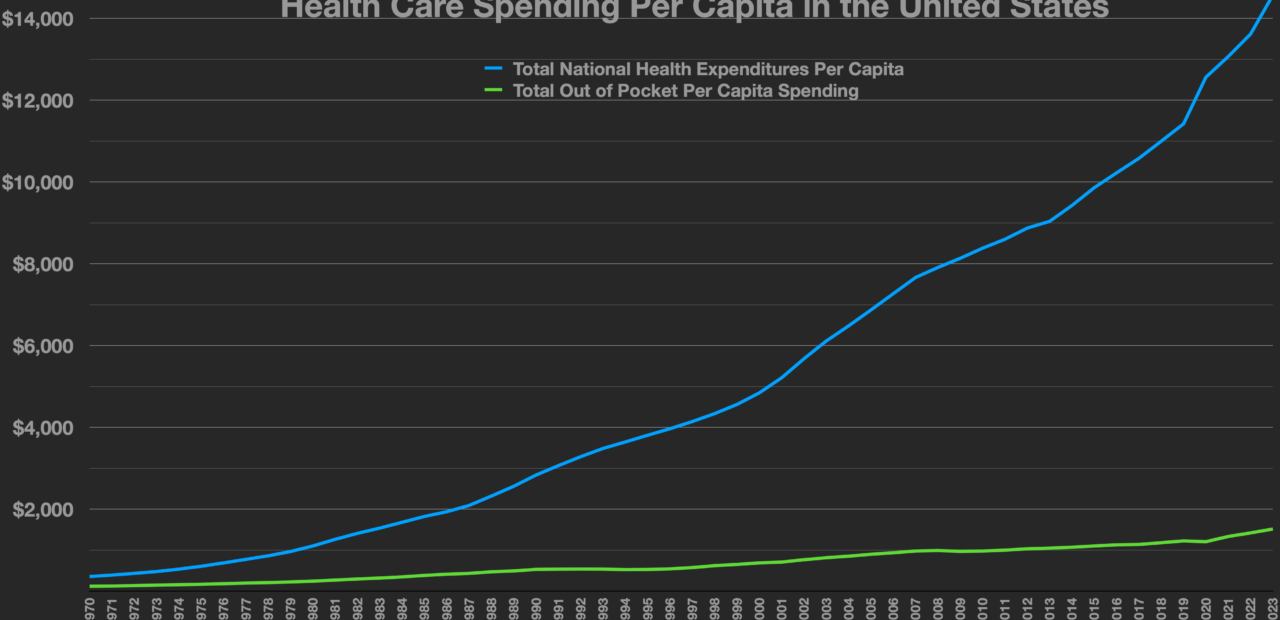
Out-of-Pocket Costs: The Real Impact on Hospital Balances
 by James Smith · October 26, 2026
Out-of-pocket costs are becoming a significant burden, now making up nearly half of large hospital balances. A recent report sheds light on this concerning trend.
Understanding Out-of-Pocket Costs
Out-of-pocket costs have become a significant concern for patients navigating the healthcare system. A recent report from Cedar and the Health Management Academy reveals that these expenses now account for nearly half of large hospital balances. Understanding the implications of out-of-pocket costs is essential for patients who may be unprepared for the financial burden associated with medical care.
These costs typically include:
- Deductibles: The amount patients must pay before their insurance begins to cover services.
- Copayments: A fixed fee that patients pay for specific medical services, even after insurance coverage has kicked in.
- Coinsurance: The percentage of costs that patients are responsible for after meeting their deductible.
As more individuals face high out-of-pocket costs, many are left grappling with unexpected financial strains. The growing prevalence of high-deductible health plans has exacerbated this issue, pushing patients to prioritize their healthcare spending more carefully.
Furthermore, the report underscores the urgent need for greater transparency in hospital pricing. With clearer information on potential out-of-pocket expenses, patients can make informed decisions and better manage their healthcare budgets. Overall, understanding out-of-pocket costs is crucial for mitigating the impact on hospital balances and personal finances alike.
Recent Trends in Hospital Balances
Recent data reveals significant trends in hospital balances that highlight the growing financial burden on patients. A report from Cedar and the Health Management Academy indicates that out-of-pocket costs now account for nearly half of large hospital balances. This shift is particularly alarming as it underscores the increasing responsibility placed on individuals seeking medical care.
Several factors contribute to this trend:
- High Deductibles: Many health plans are adopting higher deductible levels, which means patients must pay more before insurance coverage kicks in.
- Rising Healthcare Costs: The overall increase in healthcare expenses continues to outpace wage growth, leaving many patients struggling to afford necessary treatments.
- Lack of Transparency: Patients often face unexpected out-of-pocket costs due to a lack of clear information about pricing and coverage prior to treatment.
- Insurance Coverage Gaps: Even with insurance, many individuals encounter significant gaps in coverage that lead to substantial out-of-pocket expenses.
As these trends evolve, they pose serious implications for patient financial stability and the accessibility of care. Understanding the dynamics of out-of-pocket costs is essential for both healthcare providers and patients alike, as it shapes the landscape of medical billing and patient experience.
The Impact on Patients
Patients are increasingly feeling the financial burden of out-of-pocket costs associated with hospital care. A recent report from Cedar and the Health Management Academy highlights that nearly half of large hospital balances are now attributed to these costs, significantly impacting patients’ financial stability.
Many individuals find themselves facing unexpected expenses due to factors such as high deductibles and limited insurance coverage. The report underscores the reality that out-of-pocket costs can lead to substantial financial strain, particularly for those with chronic health conditions or those requiring frequent hospital visits.
The implications of these expenses extend beyond immediate financial concerns. Patients may delay necessary medical care due to fear of incurring high out-of-pocket costs, ultimately affecting their health outcomes. This hesitance can create a cycle where health deteriorates, leading to more extensive treatments and higher overall costs in the long run.
In light of these challenges, patients are urged to explore their insurance options and understand their coverage details. Additionally, hospitals and healthcare providers are encouraged to improve transparency regarding costs, enabling patients to make informed decisions about their care. The growing prevalence of out-of-pocket costs is a critical issue that warrants attention from both healthcare providers and policymakers to ensure that patients receive the care they need without facing insurmountable financial barriers.
How to Manage Medical Expenses
Managing medical expenses can be challenging, particularly as out-of-pocket costs continue to rise. To effectively navigate these financial responsibilities, patients can consider several strategies.
- Understand Your Insurance Plan: Familiarizing yourself with your insurance coverage is crucial. Review your policy to identify what services are covered and the associated out-of-pocket costs.
- Ask for Cost Estimates: Before receiving treatment, request cost estimates from your healthcare provider. This can help you prepare financially and avoid unexpected bills.
- Negotiate Bills: Don’t hesitate to negotiate your medical bills. Many hospitals have financial assistance programs or may be willing to work out a payment plan to reduce your out-of-pocket costs.
- Utilize Health Savings Accounts (HSAs): If available, HSAs can be a tax-advantaged way to save for medical expenses. Contributing to an HSA can help cover out-of-pocket costs more easily.
- Stay Informed: Keep abreast of any changes to healthcare laws and insurance policies that may affect your out-of-pocket expenses.
By implementing these strategies, patients can better manage their medical expenses and mitigate the financial impact of rising out-of-pocket costs.
By Wikideas1 via Openverse
Where this came from
PR Newswire · Out-of-pocket costs
LTCG tax on equities: Is it the right move for investors? · DA Hike Latest News: Is It Worth the Wait for Employees? · ROSA Knee Replacement: Is It the Best Option for You?

Written byJames Smith
James Smith is a writer and editorial contributor at dubaichatgpt.com, covering news and features across the site. James focuses on clear, reader-friendly reporting.