



Trump controversies: Worst impact on Senate Republicans
 by James Smith · September 29, 2026
Trump controversies are creating challenges for Senate Republicans as they seek midterm escape. The ongoing issues are complicating their strategies and voter perceptions.
Overview of Trump Controversies
The political landscape for Senate Republicans has become increasingly tumultuous due to a series of Trump controversies that have emerged in recent months. These controversies have not only generated significant media attention but have also impacted the party’s strategy heading into the midterm elections.
As candidates seek to distance themselves from the former president’s polarizing actions and statements, they face the challenge of maintaining voter support while navigating the fallout from these incidents. Some of the most notable controversies include:
- The ongoing investigations surrounding Trump’s business dealings and potential legal ramifications.
- His inflammatory comments on social media that have sparked outrage among various voter demographics.
- Disputes over his handling of key issues, such as immigration and foreign policy, which continue to divide Republican constituents.
These issues have put Senate Republicans in a precarious position, as they attempt to balance loyalty to Trump with the need to appeal to a broader electorate. The resulting tension within the party could have serious implications for their performance in the upcoming elections, as candidates grapple with how best to address the fallout from Trump controversies while trying to secure their political future.
Impact on Senate Republicans
The ongoing Trump controversies have created a significant ripple effect among Senate Republicans, complicating their efforts to navigate the midterm elections. As the party grapples with the fallout from various incidents, many senators are finding it increasingly challenging to maintain a unified front.
Several key factors contribute to the impact of these controversies:
- Voter Sentiment: Many constituents express frustration with the party’s alignment with Trump, viewing it as a distraction from pressing issues such as the economy and healthcare.
- Primary Challenges: Senate Republicans face the risk of primary challenges from Trump-aligned candidates, forcing incumbents to adopt more extreme positions to appease the base.
- Media Scrutiny: The relentless media coverage of Trump controversies places additional pressure on Senate Republicans to respond swiftly, often resulting in conflicting messages.
- Campaign Funding: Some donors have begun to pull back their support, concerned that the association with Trump could damage the party’s chances in critical races.
As Senate Republicans attempt to distance themselves from Trump’s controversies while still catering to his supporters, the path to a successful midterm election remains fraught with challenges. Balancing these competing interests will be crucial for their political survival.
Midterm Election Strategies
As the midterm elections approach, Senate Republicans are grappling with the fallout from ongoing Trump controversies. The implications of these controversies have forced many GOP candidates to reevaluate their strategies in order to appeal to a broader electorate.
Several key strategies have emerged among Senate Republicans:
- Distance from Trump: Some candidates are opting to distance themselves from the former president, aiming to attract moderate voters who may be disillusioned with his polarizing rhetoric.
- Emphasizing Local Issues: Focusing on local concerns such as job creation, healthcare, and education is becoming a priority. Candidates believe that by highlighting these topics, they can divert attention from Trump-related controversies.
- Unified Messaging: Despite the divisive nature of Trump’s influence, some Republicans are attempting to present a unified front by rallying around core party values and policies, hoping to mitigate the impact of controversies.
- Engaging Grassroots Support: Many candidates are intensifying their outreach efforts to grassroots supporters, recognizing that enthusiasm from the base can help bolster voter turnout, despite lingering controversies.
Ultimately, how effectively Senate Republicans navigate these challenges will significantly shape the outcomes of the midterm elections.
Public Perception of Republicans
The public perception of Republicans has been significantly affected by the ongoing Trump controversies, raising concerns among party leaders as they approach critical elections. As former President Donald Trump’s legal issues and provocative statements dominate headlines, many voters are increasingly associating these controversies with the Republican Party as a whole.
Recent polls indicate a decline in approval ratings for Senate Republicans, with many constituents expressing frustration over their alignment with Trump. This shift in public sentiment can be attributed to several key factors:
- Association with scandal: Voters are linking Republican candidates to Trump’s controversies, leading to a perception that they support his divisive rhetoric and policies.
- Loss of independent voters: Many independents, once sympathetic to Republican ideals, are shifting their allegiances due to the party’s perceived failure to distance itself from Trump.
- Media coverage: Continuous coverage of Trump’s legal battles and controversial remarks has overshadowed the messages and platforms of Senate Republicans, making it difficult for them to gain traction.
As the midterm elections approach, Senate Republicans face the daunting task of redefining their image while navigating the turbulent waters of Trump’s legacy. The pressure to distance themselves from these controversies may prove paramount to their electoral success.
Key Issues Facing GOP
The current political landscape presents several key issues facing GOP members, especially as they navigate the fallout from numerous Trump controversies. As Senate Republicans attempt to distance themselves from past controversies while maintaining party loyalty, they encounter a series of challenges that threaten their unity and electoral success.
- Voter Discontent: Many Republican voters express frustration over the party’s handling of Trump’s past actions. This discontent could potentially lead to a loss of support among a critical voter base.
- Primary Challenges: Incumbent senators face increasing pressure from primary challengers who align more closely with Trump’s agenda, making it difficult for moderate Republicans to maintain their positions.
- Policy Divisions: Disagreements over key policy issues, exacerbated by Trump’s controversial statements and decisions, have created rifts within the party that could impact legislative effectiveness.
- Electoral Strategy: The GOP must devise a strategy that addresses the fallout from Trump’s controversies while also appealing to independents and swing voters in the upcoming elections.
As these issues come to the forefront, Senate Republicans will need to navigate the complex dynamics of party loyalty and voter expectations to secure their political future.
Responses from Republican Leaders
In the wake of ongoing Trump controversies, Republican leaders are grappling with how to maintain party unity while addressing voter concerns. Many prominent figures within the party have publicly expressed their unease regarding Trump’s influence on their political strategies.
- Mitch McConnell, the Senate Minority Leader, has voiced concerns about the potential fallout from Trump’s recent remarks, stating that the controversies could alienate moderate voters.
- Mitt Romney, the former presidential candidate, emphasized the need for the GOP to distance itself from divisive rhetoric, arguing that it poses a significant risk to their chances in upcoming elections.
- Meanwhile, Ronna McDaniel, chair of the Republican National Committee, has defended Trump, claiming that his base remains committed and that controversies often energize his supporters.
Despite the differing views, many leaders agree that the party must navigate these challenges carefully. Some are urging a more proactive approach to address the backlash stemming from Trump controversies, suggesting that a unified front could help mitigate potential losses in the Senate. Others warn that failing to address these issues could lead to devastating consequences for Republicans in the midterm elections.
Future Implications for Elections
The ongoing Trump controversies are anticipated to have significant future implications for elections, particularly as Senate Republicans navigate the political landscape in the wake of these challenges. With many voters expressing fatigue over the continuous cycle of scandals, the GOP faces an uphill battle in maintaining support.
Several factors will shape the electoral outcomes in the coming years:
- Voter Engagement: Active engagement from both sides of the political spectrum is crucial. Republicans must work to rally their base while also appealing to undecided voters who may be disillusioned by the current controversies.
- Candidate Selection: The choice of candidates will play a pivotal role. Republicans may need to distance themselves from controversial figures to attract a broader electorate and mitigate the negative perceptions associated with Trump.
- Policy Focus: Shifting the narrative towards pressing issues such as the economy, healthcare, and national security could help Senate Republicans regain traction. Emphasizing solutions over scandals may resonate more with voters.
- Local vs. National Dynamics: Local races may see candidates adapt their messages depending on the influence of Trump controversies in their states or districts, which could lead to varied strategies across the country.
As these dynamics unfold, the path for Senate Republicans remains uncertain, heavily influenced by the ramifications of Trump’s ongoing controversies.
Analysis of Voter Behavior
The ongoing Trump controversies have significantly influenced voter behavior, particularly among independent and moderate voters who are pivotal in Senate races. As these controversies unfold, they shape perceptions and attitudes toward the Republican Party, leading to a reevaluation of candidates and their positions.
Polling data indicate that many voters express discontent with the Republican response to Trump’s actions, viewing it as a reflection of the party’s values. This discontent is evident in several key areas:
- Trust Issues: Voters are increasingly skeptical about the integrity of Republican candidates who align closely with Trump.
- Candidate Selection: Independent voters are gravitating toward candidates who distance themselves from Trump’s controversies, seeking alternatives that reflect their values.
- Election Outcomes: The backlash from Trump’s various scandals has led to a decline in voter enthusiasm for Republican candidates in battleground states.
Moreover, the fear of a divided party complicates the message that Senate Republicans wish to convey. The need to navigate the turbulent waters of Trump’s influence while appealing to a broader electorate presents a formidable challenge. As midterm elections approach, understanding these dynamics will be crucial for the GOP’s electoral strategy.
The Trump controversies have significantly strained relationships among Senate Republicans, leading to internal divisions. As they navigate the fallout from these Trump controversies, many Senators are left questioning their political futures.
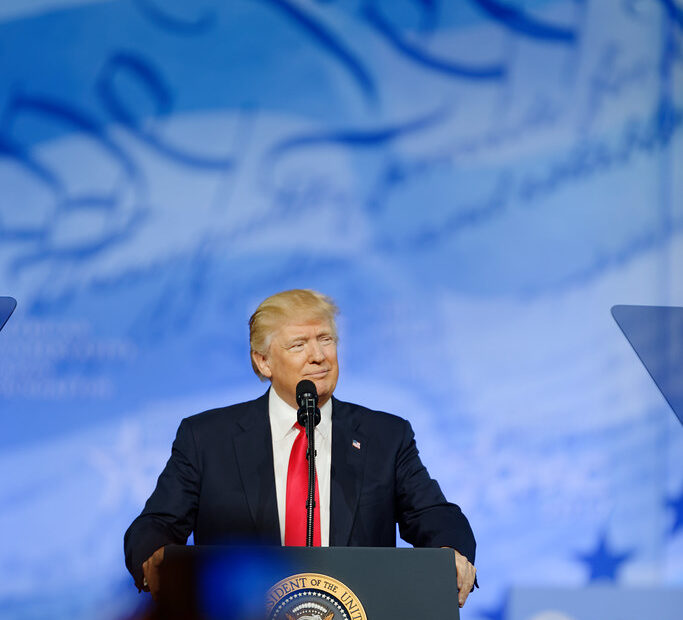
By Michael Vadon via Openverse
References
Related reading

Written byJames Smith
James Smith is a writer and editorial contributor at dubaichatgpt.com, covering news and features across the site. James focuses on clear, reader-friendly reporting.


1 Response
[…] Trump controversies: Worst impact on Senate Republicans […]